
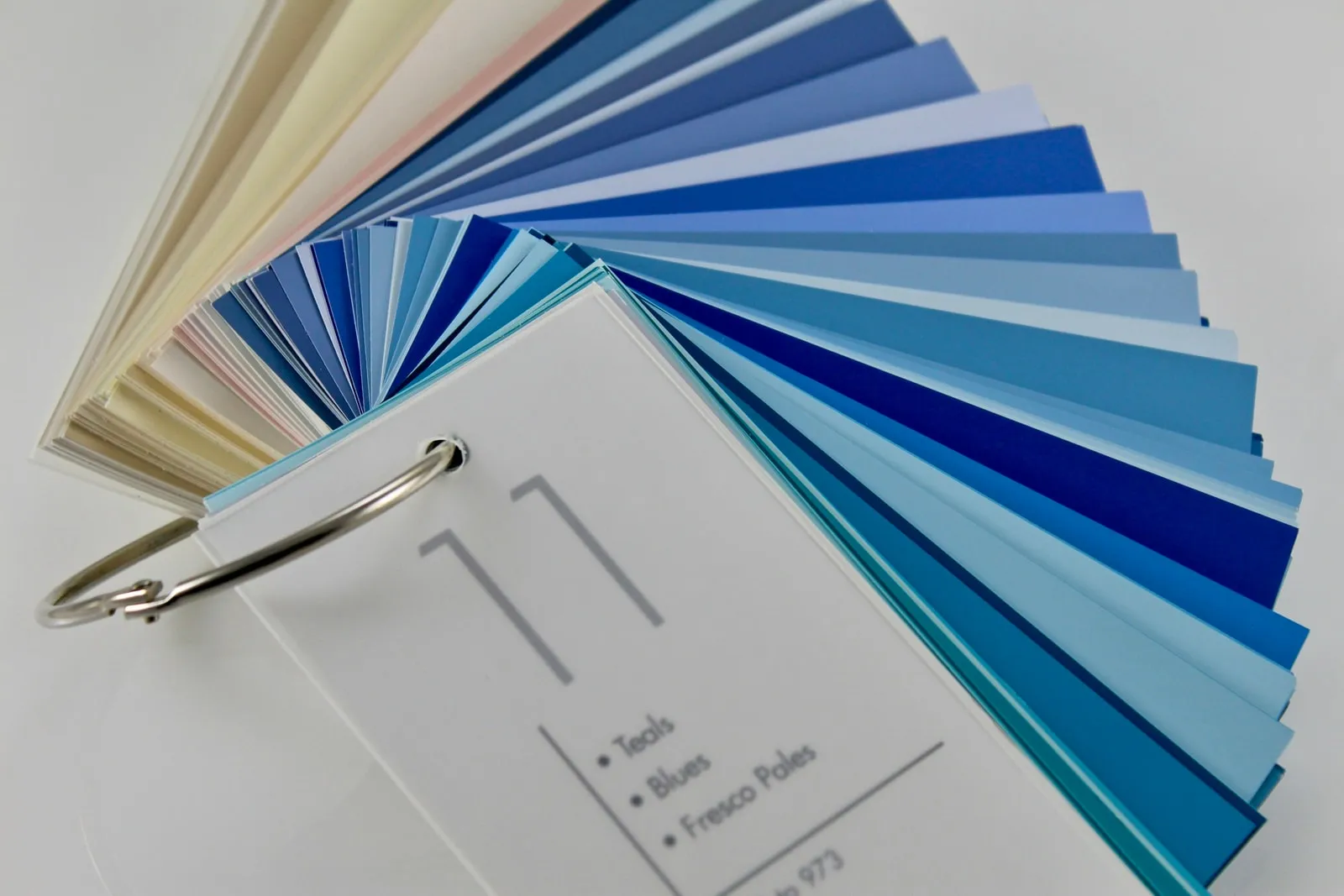
Choosing the paint colour for your interior
Finding the right colour for your home interior is like finding the right partner. Choose the right one and it will make you feel relaxed and comfortable at home; choose the wrong one and you will be reluctant to come home every day. With thousands of choices out there, picking the right one can be a daunting and painful experience. Whether you are in the predicament of choosing the right partner (or in this case, the right paint colour), you’ll find some relief after reading these five steps.
Step 1: Research, research, research
The most important step before making any decision is doing a lot of research. Pinterest is the Tinder of house design. Save the images of rooms that catch your heart. After collecting 20 beautiful and attractive rooms, you’ll get a feel for your preferences and likes. Once you go through this stage, you will have eliminated three-quarters of the available options out there, and from here, things get much easier.
Step 2: Get to know him or her
Sun Tzu once said, “Know thy enemy, win a thousand battles.” Information is the key. Check out the hobbies, favourite foods, films, and music, and apply the same logic to your paint.
For paints, knowing the guideline below for different finish choices will save you time:
- Flat (matte): no shine at all. Perfect for low-traffic areas like living rooms and bedrooms.
- Flat enamel: has almost no shine but is a bit easier to clean than flat paint. Better if you have kids or pets. A good option for living rooms and bedrooms.
- Eggshell enamel: has a bit of shine. Good for moderate-traffic areas like living rooms; most dirt can be wiped off with a damp cloth.
- Satin enamel: more shine than eggshell. Perfect for high-traffic or moisture-prone areas like the kitchen and bathroom, since it wipes clean easily.
- Semi-gloss enamel: shiny but not glass-like. Best for cabinets, trim, and rooms with high moisture.
- Hi-gloss enamel: shiny with an almost glass-like finish. Perfect for railings or furniture.
Don’t forget to assemble a board with pictures of each room, and try to choose one theme for the entire house. That doesn’t mean painting the whole house in the same colour, but aesthetically, the home reads better when there is continuity in the spatial flow. For example, if you choose grey for the living room, you might choose white for the bedroom and lighter or darker tones of grey for the other rooms.
Step 3: Be faithful to your choice
At this stage, chances are you’ll be very sensitive to colour and will suddenly notice house designs wherever you go. It’s very common to change your mind for other seemingly more attractive, more alluring, more charming designs. But if you change your mind all the time, tell yourself to stick with your choice and move on to the next stage.
Step 4: Go on a date
Just like the Tinder profile photo doesn’t always match the real person, the colour from the colour wheel can look different on a big surface. To avoid the disappointment of having to repaint an entire wall because the colour didn’t look as expected, take the colour you have selected and place it on an actual wall.
Buy testers in a few shades. It’s well worth spending the money on testers before purchasing gallons of paint. Apply each tester to a 1m × 1m area and get a feel for how the colour will look.
Step 5: Take action
Head to your local hardware or paint shop and grab what you need. Don’t forget the paint trays, brushes, rollers, and thinners. If you’re unsure how much paint is needed, always check with the vendor; they have a pretty good idea of what’s required.
If you’re still undecided whether to engage the professionals or do it yourself, do read our companion guide on the cost of professional painting versus DIY.
With the above five steps, you can confidently choose not only the right colour for your home but also, perhaps, the right partner for your life.